
Nobody falls in love with San Francisco because the bus was punctual. You fall in love with it over a burrito at midnight, or a view you climbed to, or the specific loneliness of a very late-night diner. And you do not need a car to do this.
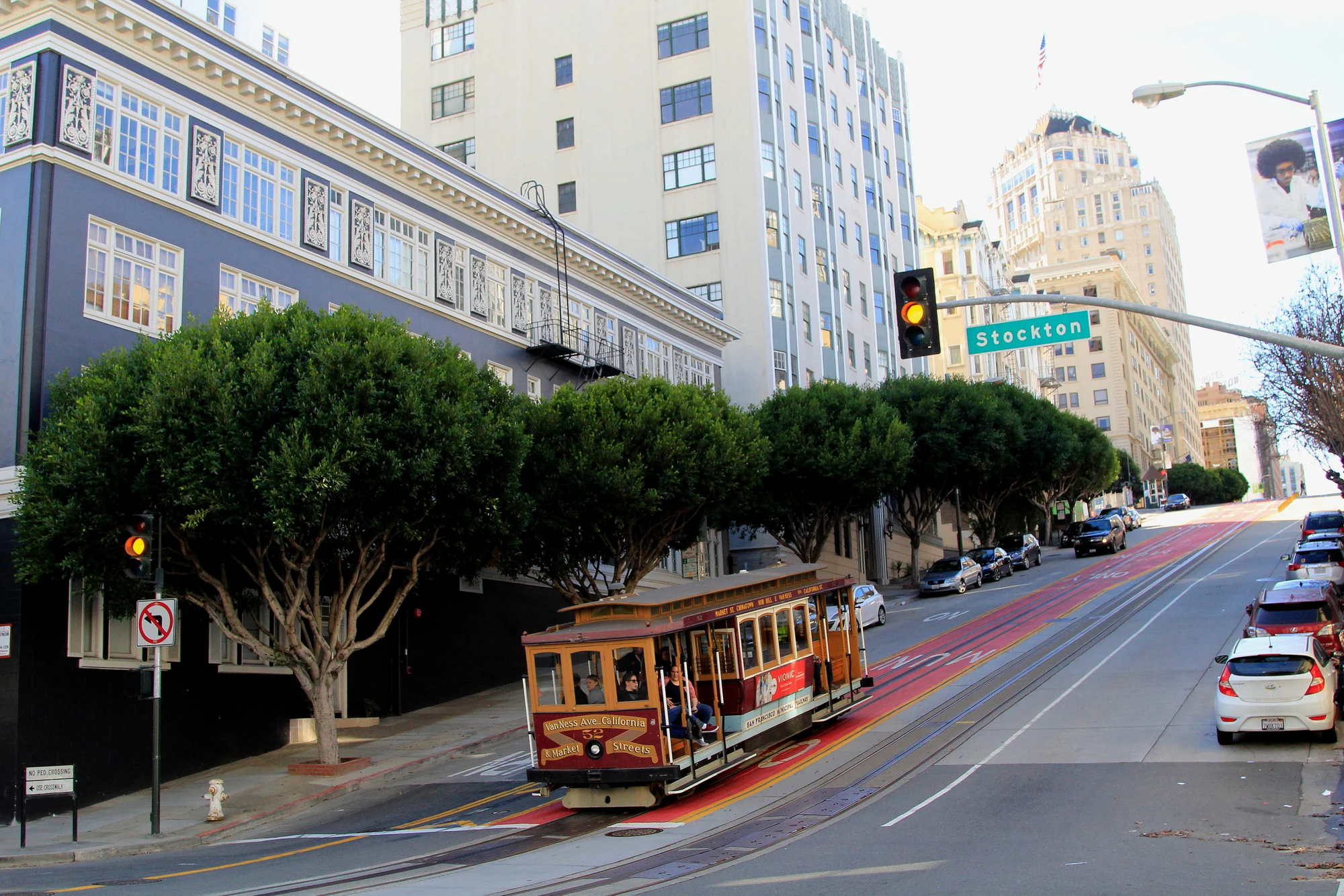
San Francisco is seven miles by seven miles, which sounds adorable until you remember that many miles go straight up. We are, depending on who is counting, the second-hilliest city on the planet behind La Paz, Bolivia, which at least has the decency to be at altitude so you understand why you can't breathe. Here you just look like a person who skipped leg day for a decade.
Let me walk you through doing this city correctly.
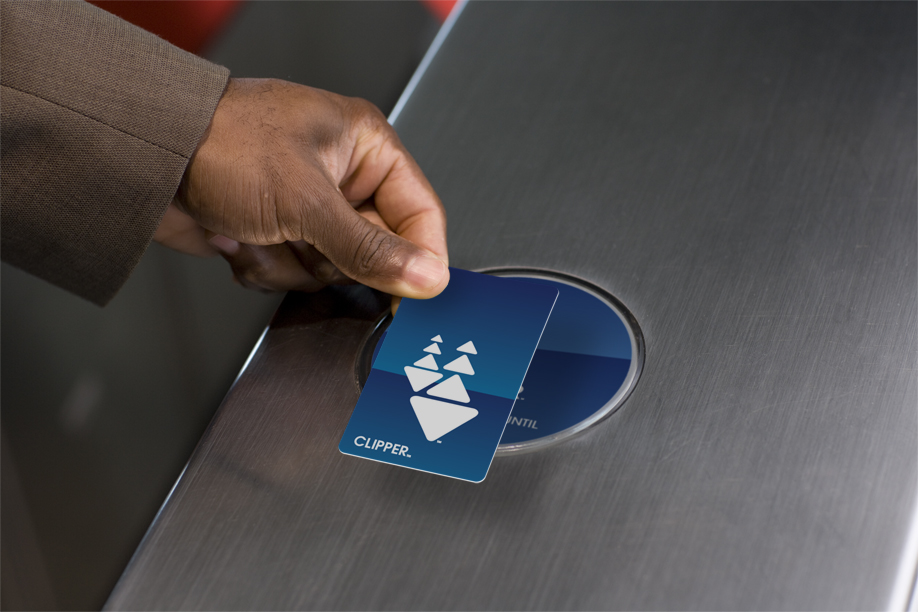
Get a Clipper card, then forget it exists
Put one in your phone, and stop thinking about it forever. It works on everything: Muni buses, the Metro, the historic streetcars, the cable cars, BART, the ferries. One tap. Muni charges you a flat fare and lets you transfer for a couple of hours, so the bus is basically a hop-on, hop-off tour you didn't pay extra for. BART is the one that charges by distance, which means you tap in and tap out; forget to tap out and it assumes you rode to the farthest, saddest station in the system and bills you accordingly.
What to ride
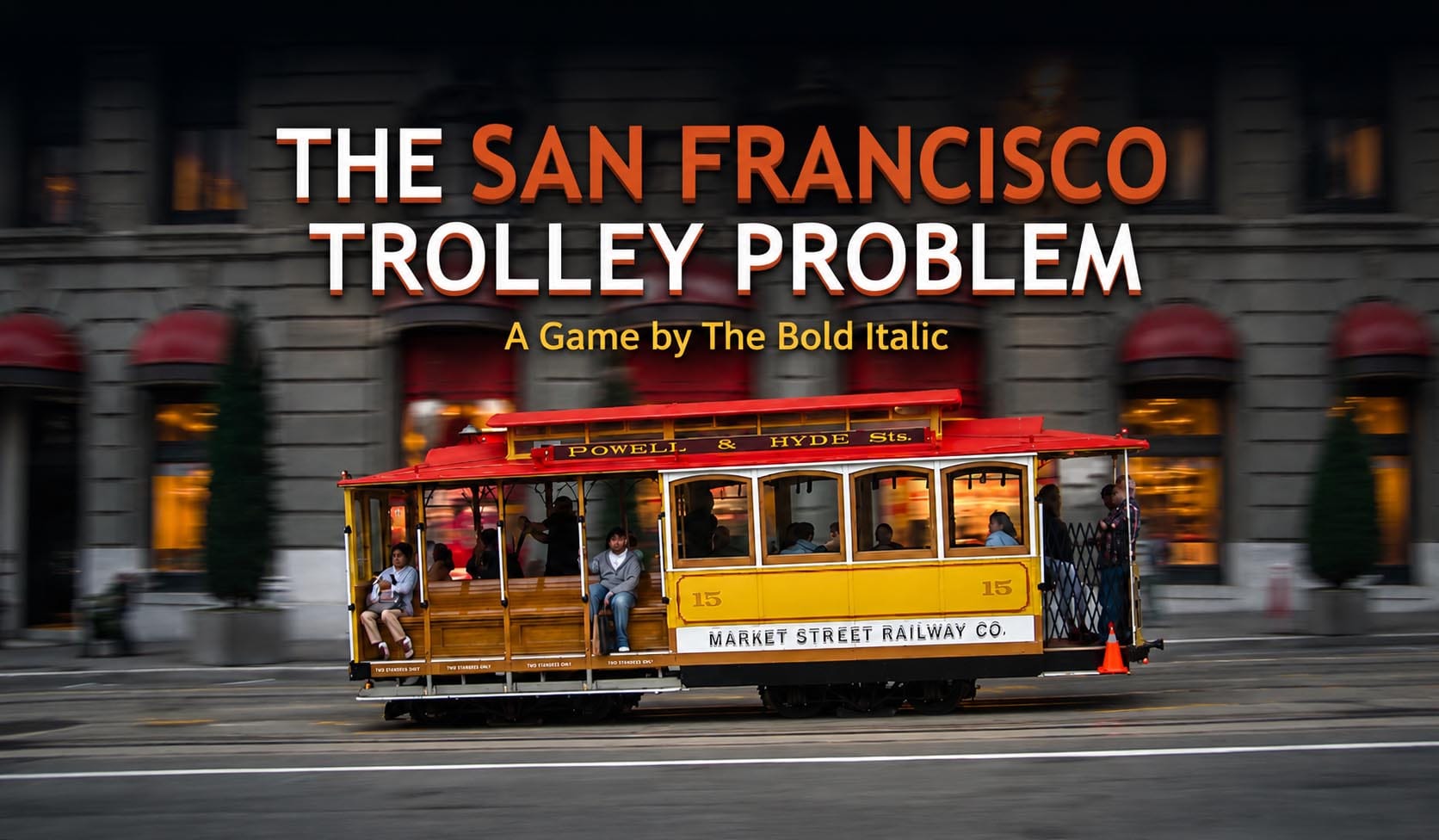
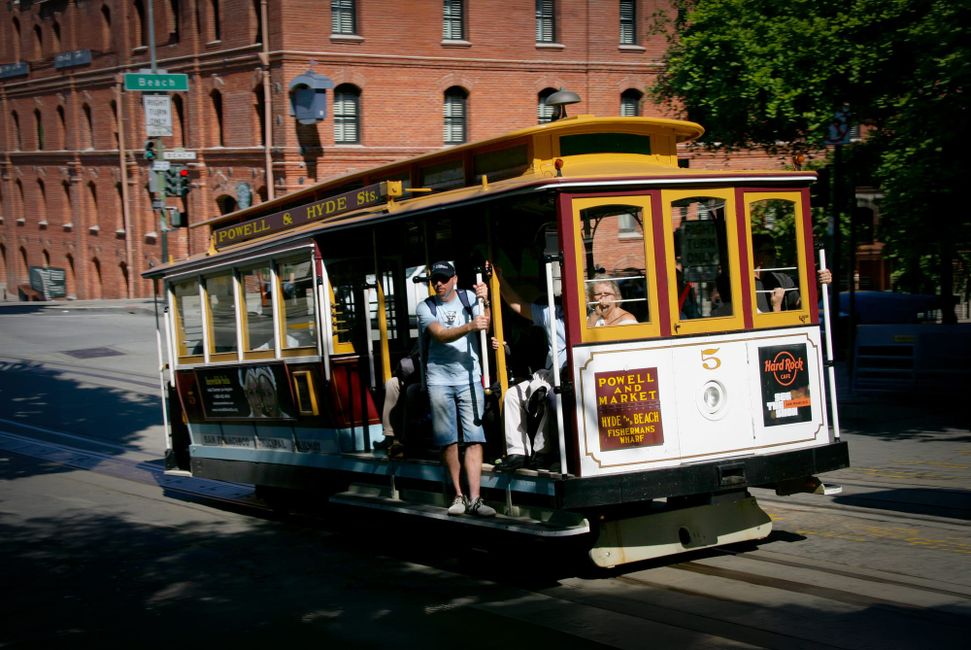
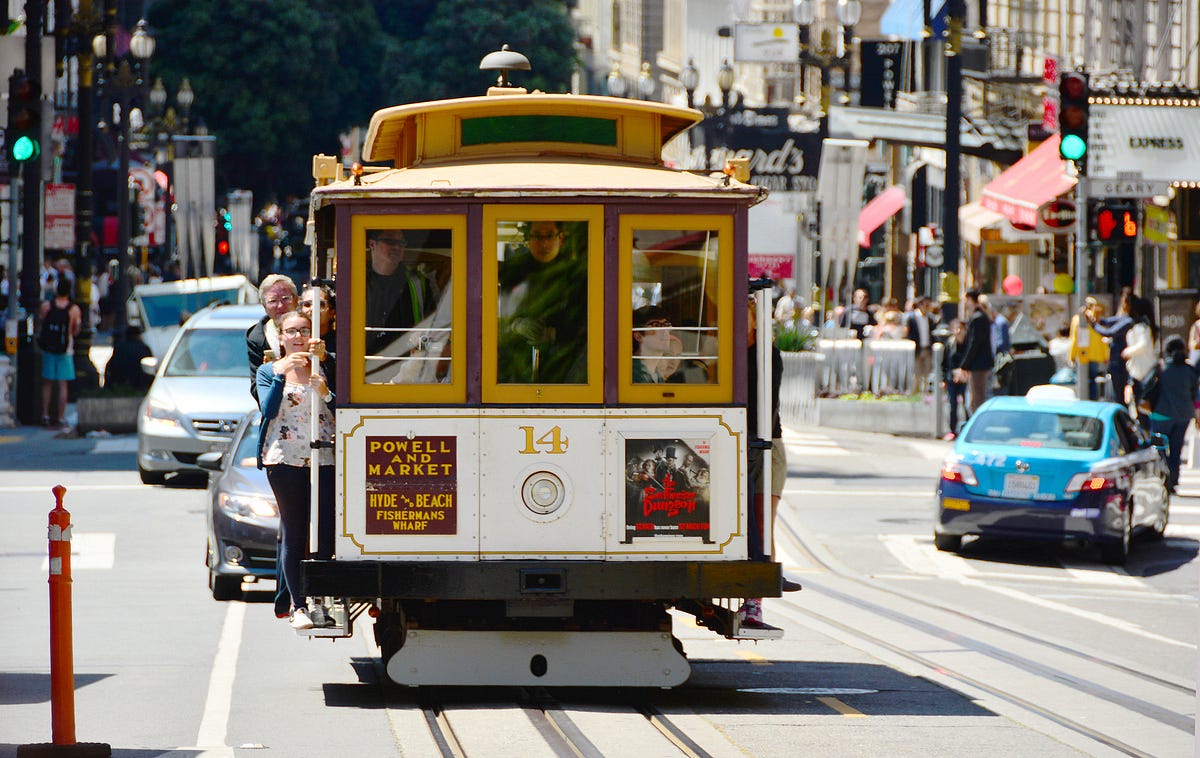
Ride one cable car, exactly once, ideally with someone you love or are trying to impress, and then never again, because they are slow and the line is full of people who flew here to stand in it. The F-line streetcars down Market and along the Embarcadero are the locals' move. They are vintage, they are gorgeous, they are several centuries faster than the cable car, and they take you straight to the water.
 The Bold Italic
 Saul Sugarman
For the flat parts of town, Bay Wheels are everywhere. A single ride starts around three dollars; if you commit, a monthly membership runs about thirteen. The trick is that most of the bike network was deliberately routed to avoid the streets that would kill you, so you can cross half the city without your thighs filing a formal complaint.
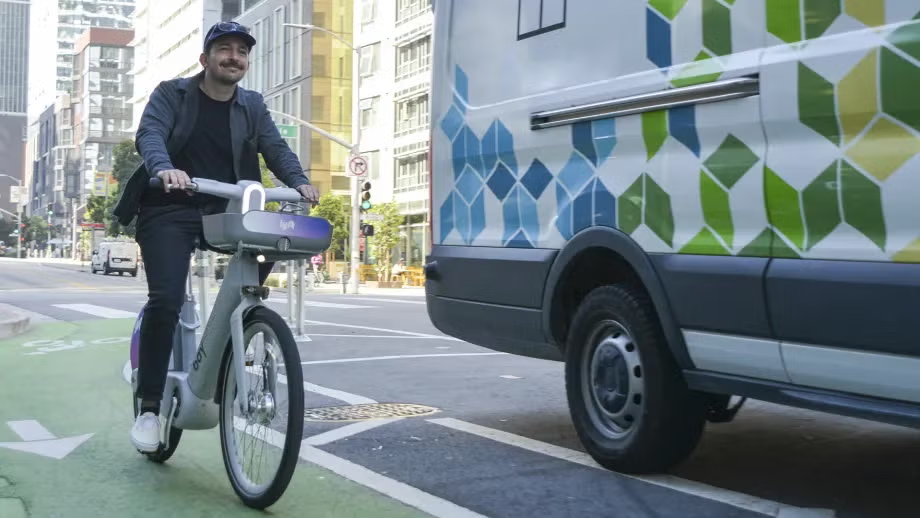
You can also take a Lime and Spin scooter. These are the two companies the city currently lets operate, with a combined ceiling of 10,000 scooters on the streets through at least mid-2026. You unlock by app, you ride, you leave it at your destination; figure roughly a dollar to start and somewhere around 30 to 40 cents a minute. Lime is far easier to find than Spin, which keeps a smaller service area. A short hop runs you a few dollars, which is the sweet spot: cheaper than a rideshare, faster than waiting for a bus you just missed.
The walking is the actual luxury
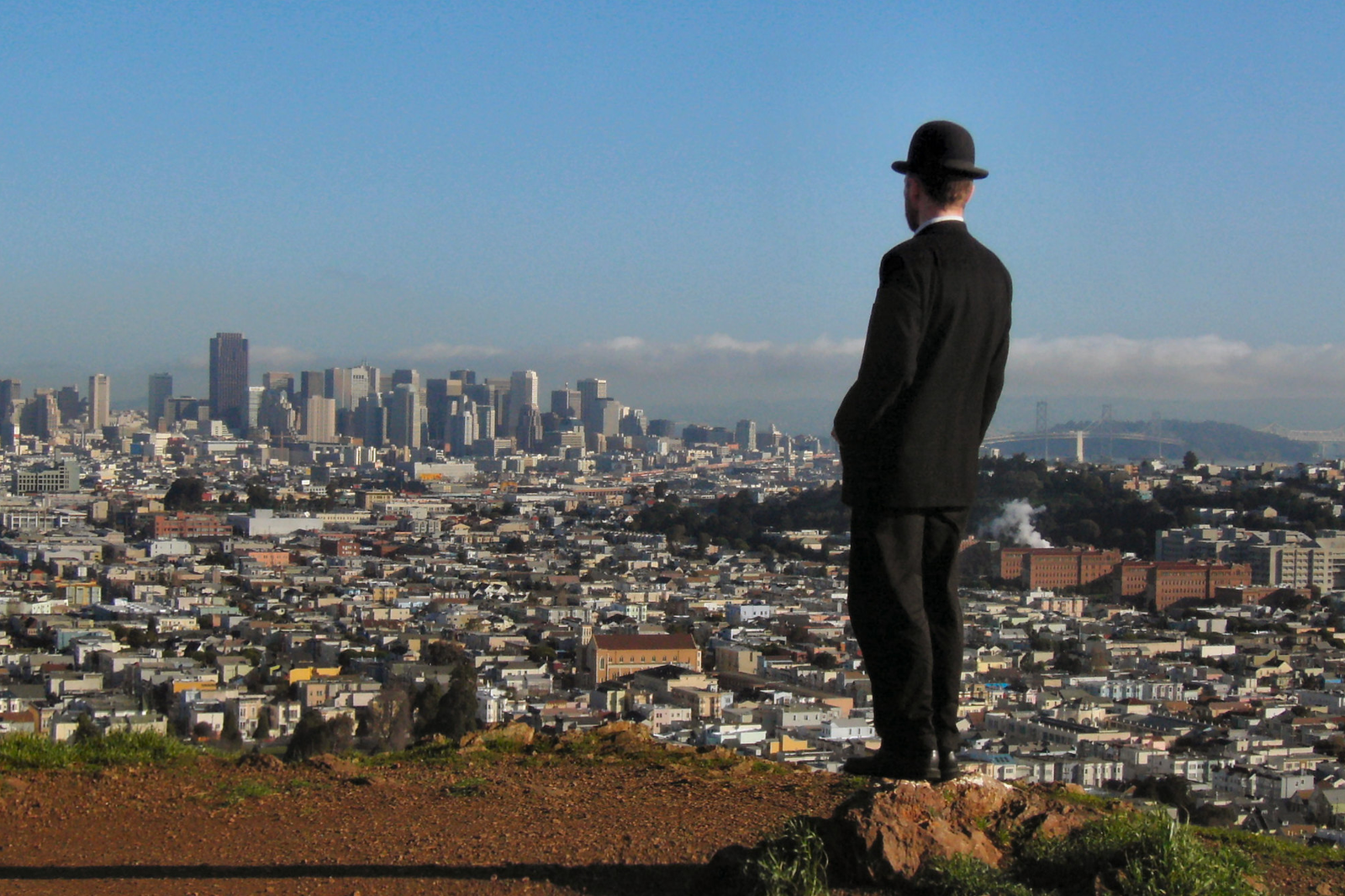
The best thing in San Francisco is free, and it is the staircases. There are more than 600 of them stitched across 42 hills, and they are the closest thing we have to a magic system. You climb a perfectly ordinary block, turn a corner, and the entire bay is just sitting there waiting for you.
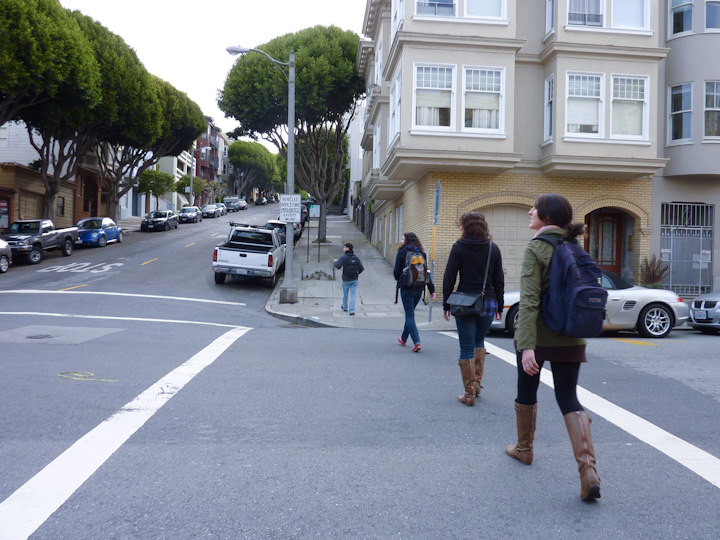

The famous steps earn their name. Take the Filbert and Greenwich steps up the east face of Telegraph Hill to Coit Tower, past gardens and the wild parrots that have somehow turned this into their personal HOA. The 16th Avenue Tiled Steps in the Inner Sunset are a 163-step mosaic that looks like the ocean decided to climb a hill.
Laura Camerlengo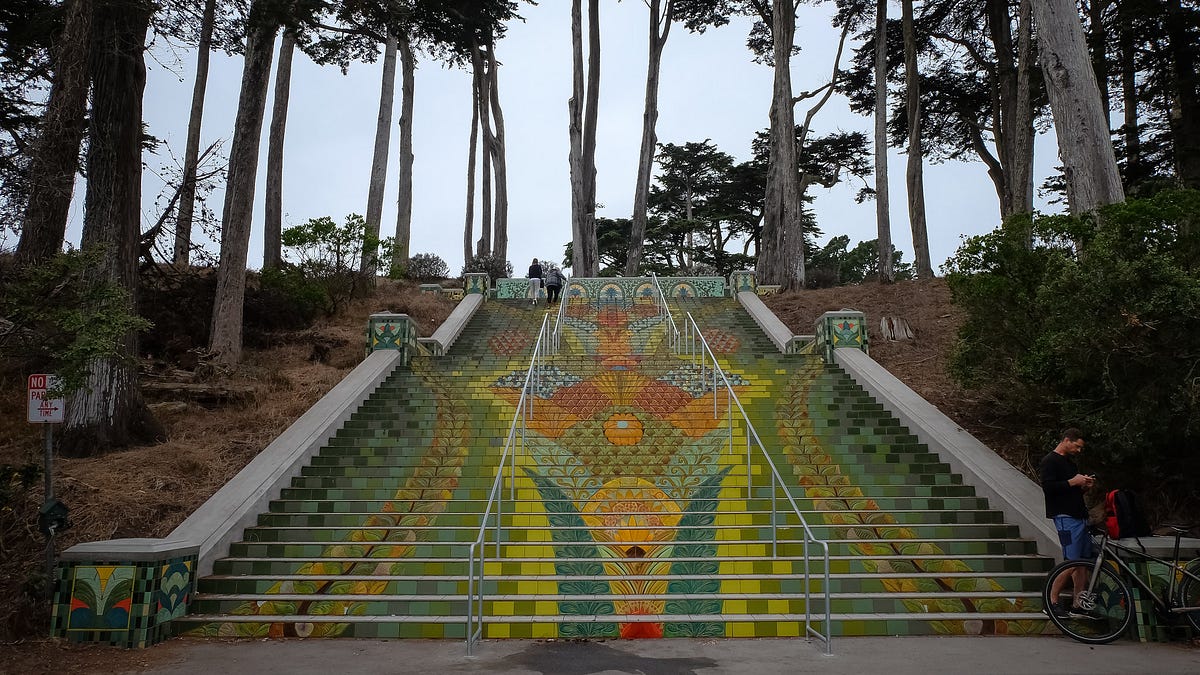
And the Lyon Street steps in Pacific Heights deliver you, eventually, near enough to the Ferry Building that you can reward yourself with something carb-based and call it a balanced morning.
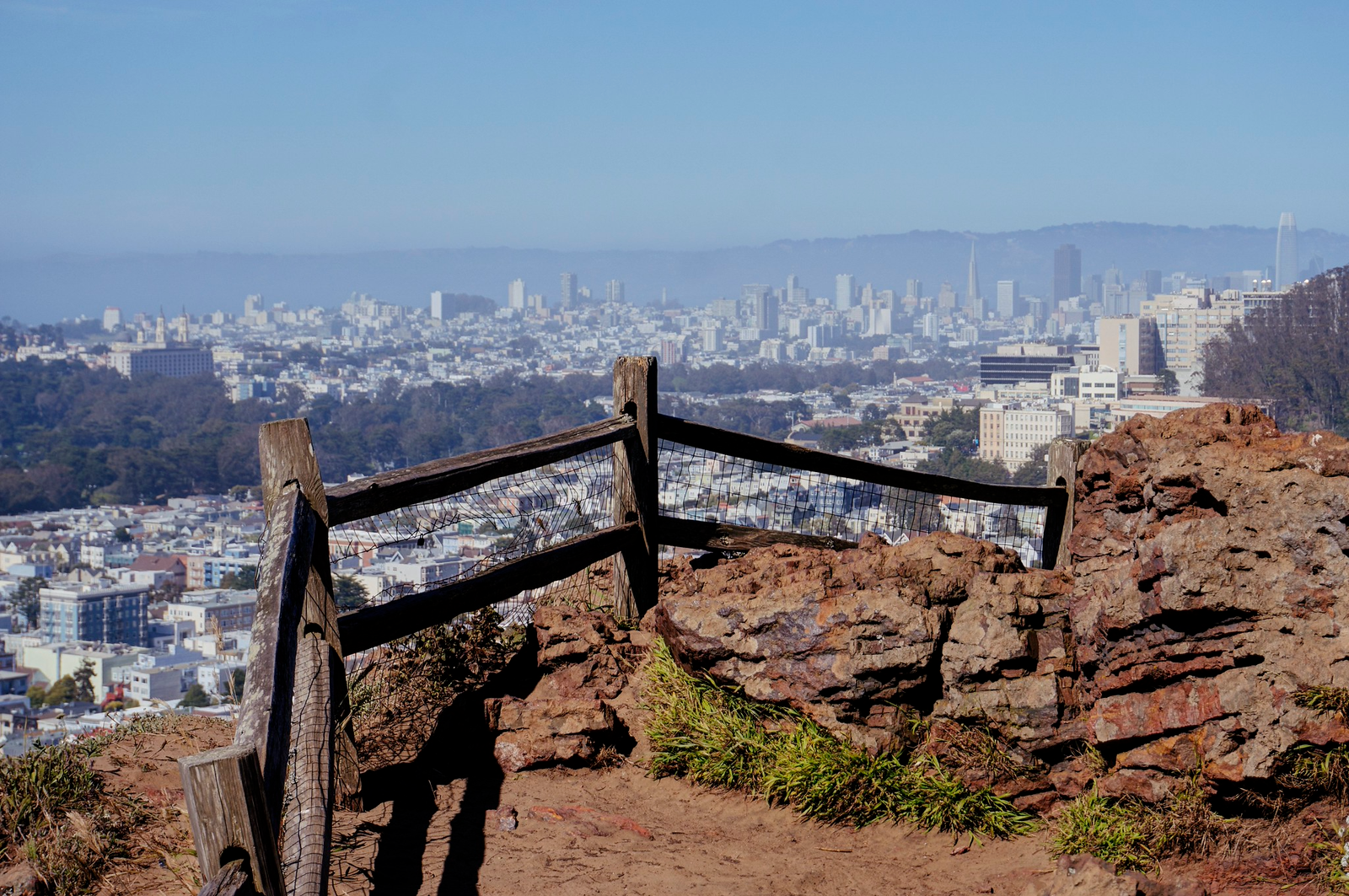
You need shoes that won't betray you and the willingness to get gently lost. Telegraph Hill, Russian Hill, Bernal Heights, Corona Heights above the Castro; pick a hill, point yourself up it, and let the view do the rest. If you want structure, the city's volunteer guides run free walking tours, and there is a whole beloved guidebook of stairway routes that locals have been quietly following since the Reagan administration.
 Saul Sugarman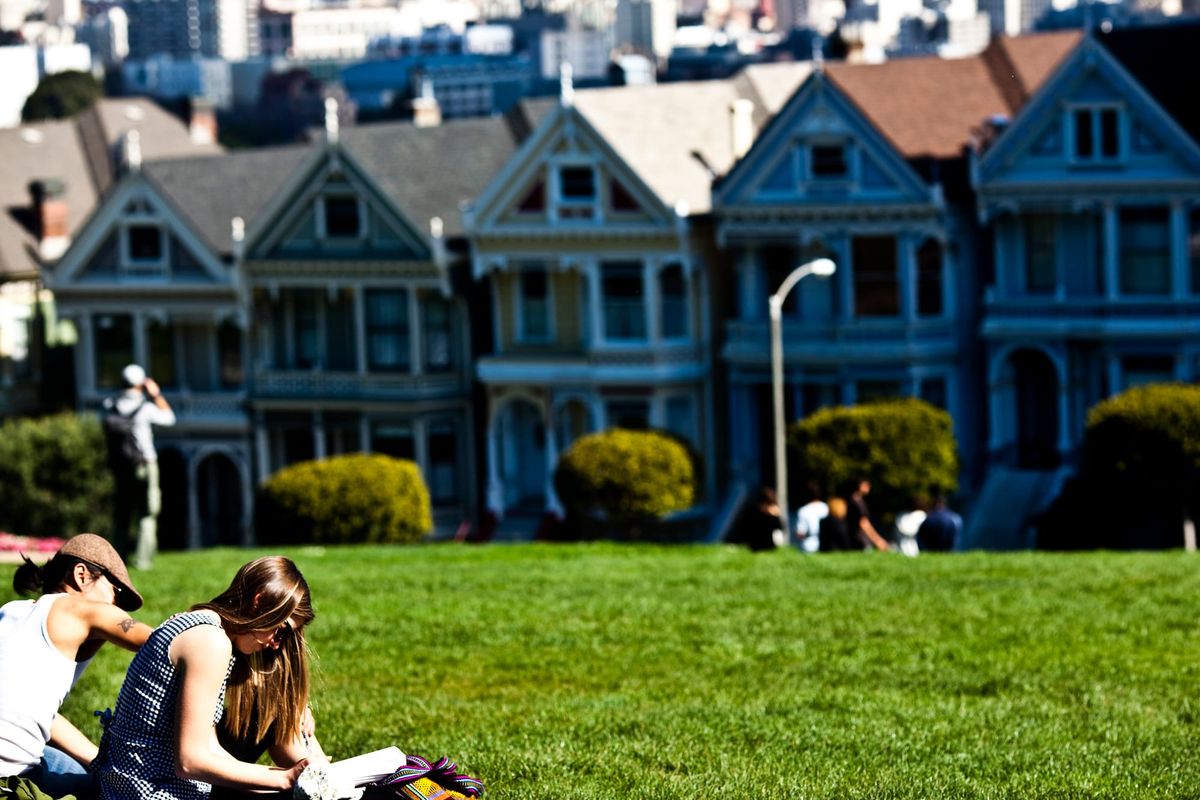
When you want out, take the boat
The most underrated move in the entire region is the Sausalito ferry. It is roughly nine dollars one way, it leaves from the Ferry Building or Pier 41, and in about half an hour it floats you past Alcatraz and under the Golden Gate to a town that looks like the French Riviera filed for residency.
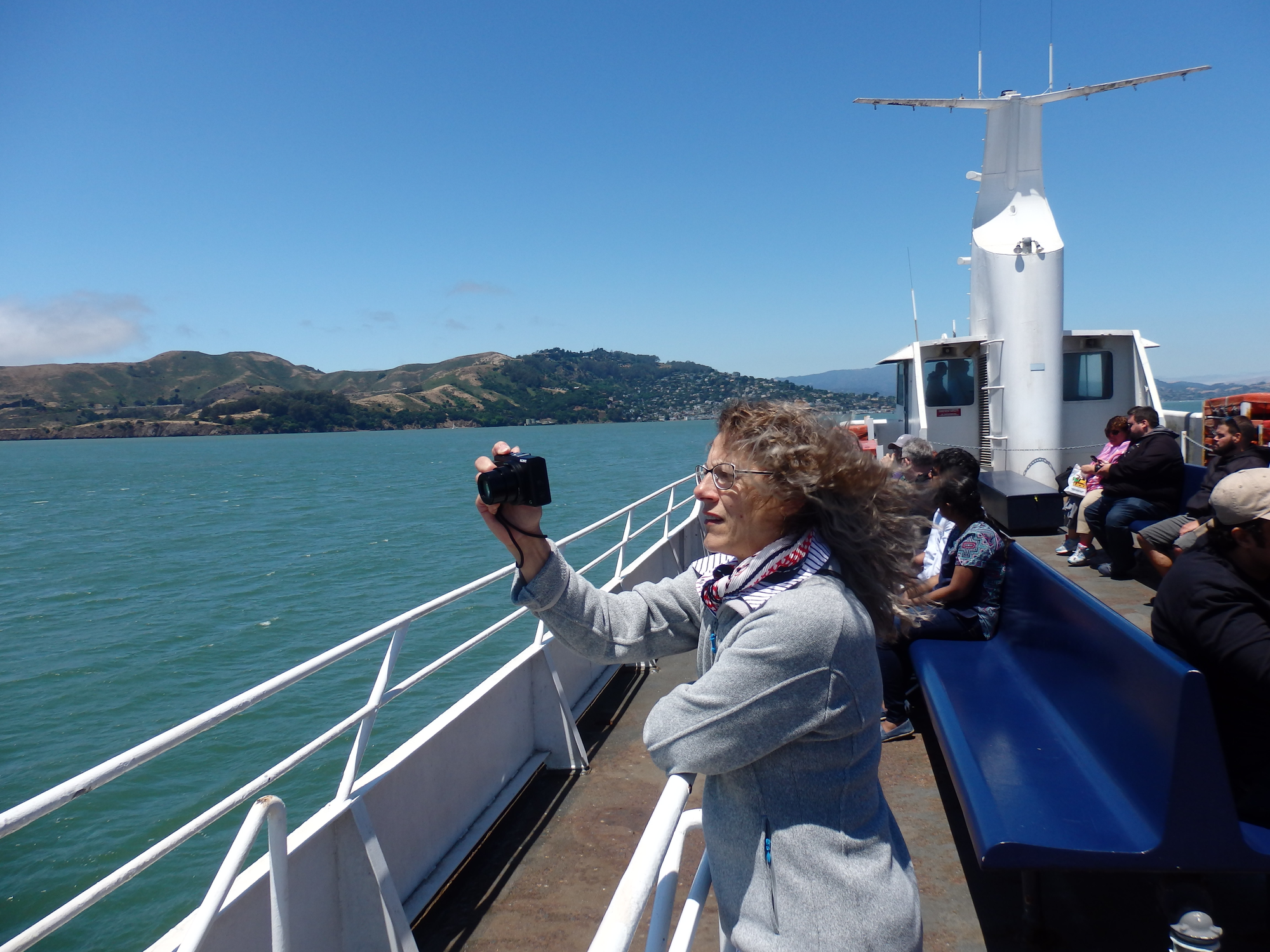
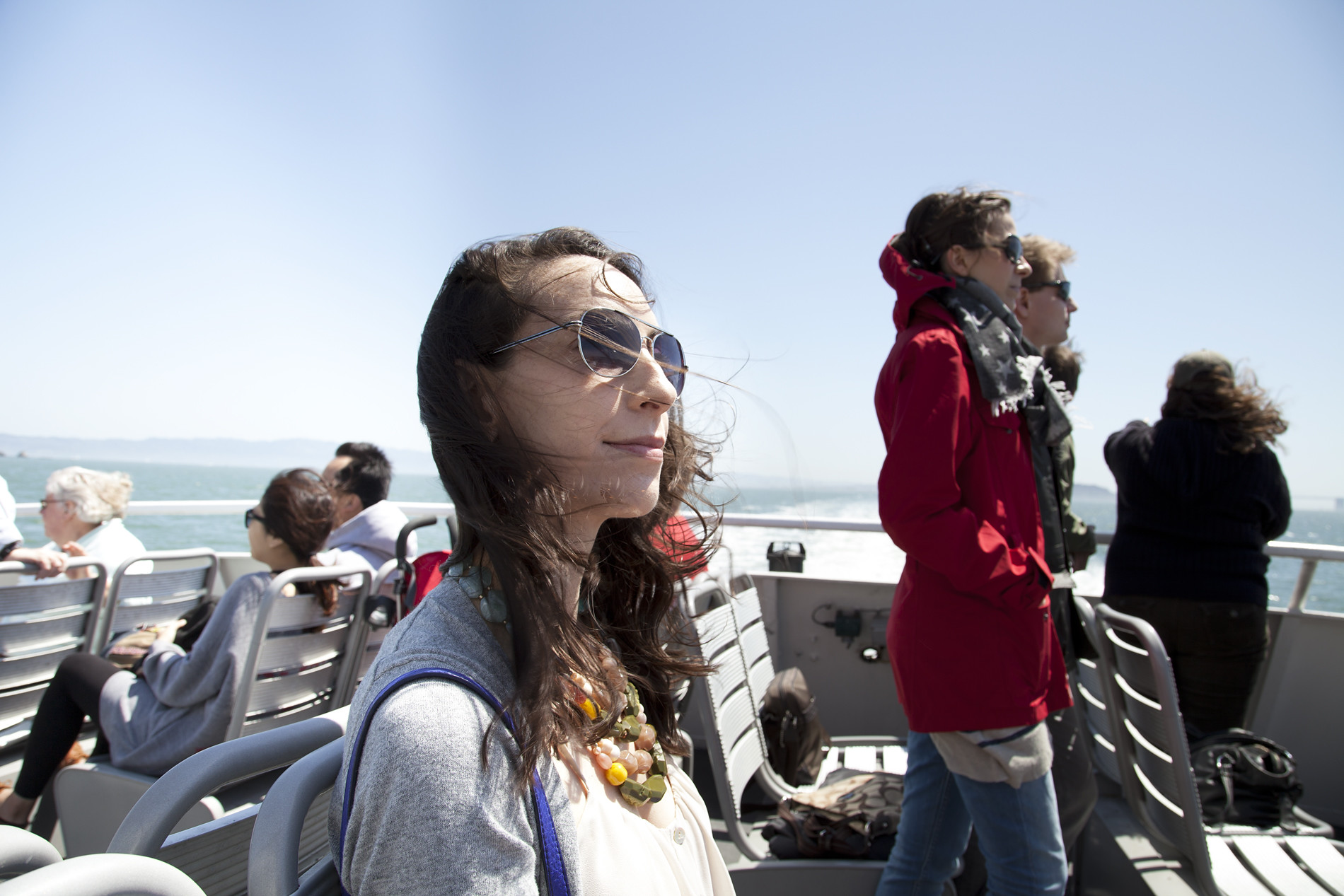
Buy a glass of wine on the deck, pretend the Embarcadero skyline behind you is yours, and come back at golden hour. No bridge traffic. No parking. Just you, the wind, and a smug little feeling you have earned.
And where, exactly, do you sleep?
The romantic answer is a bench. The honest answer is that benches in this city already belong to people who did not choose them.
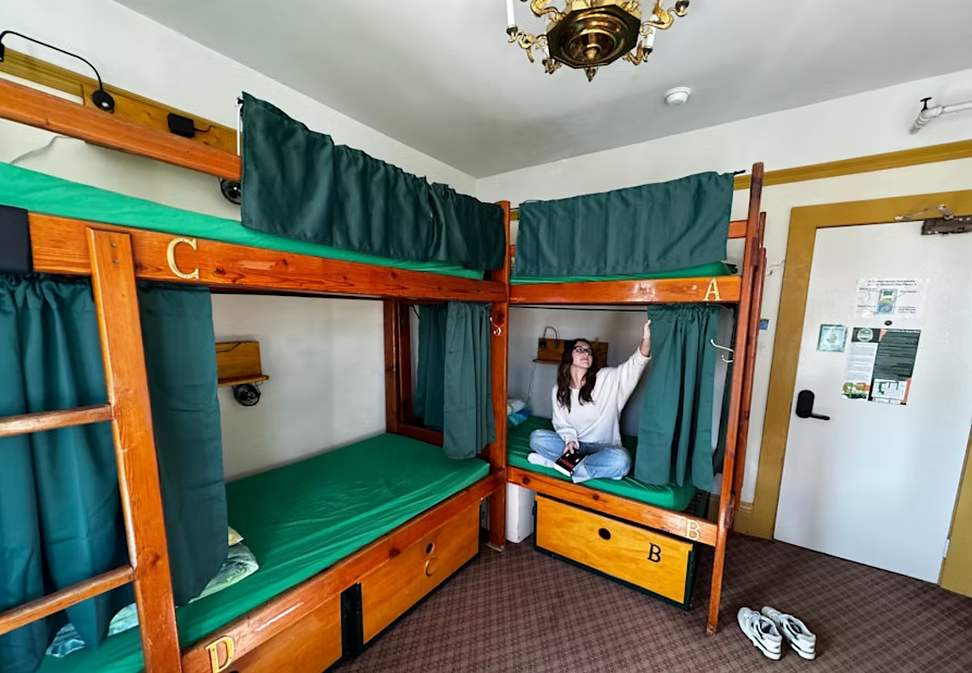
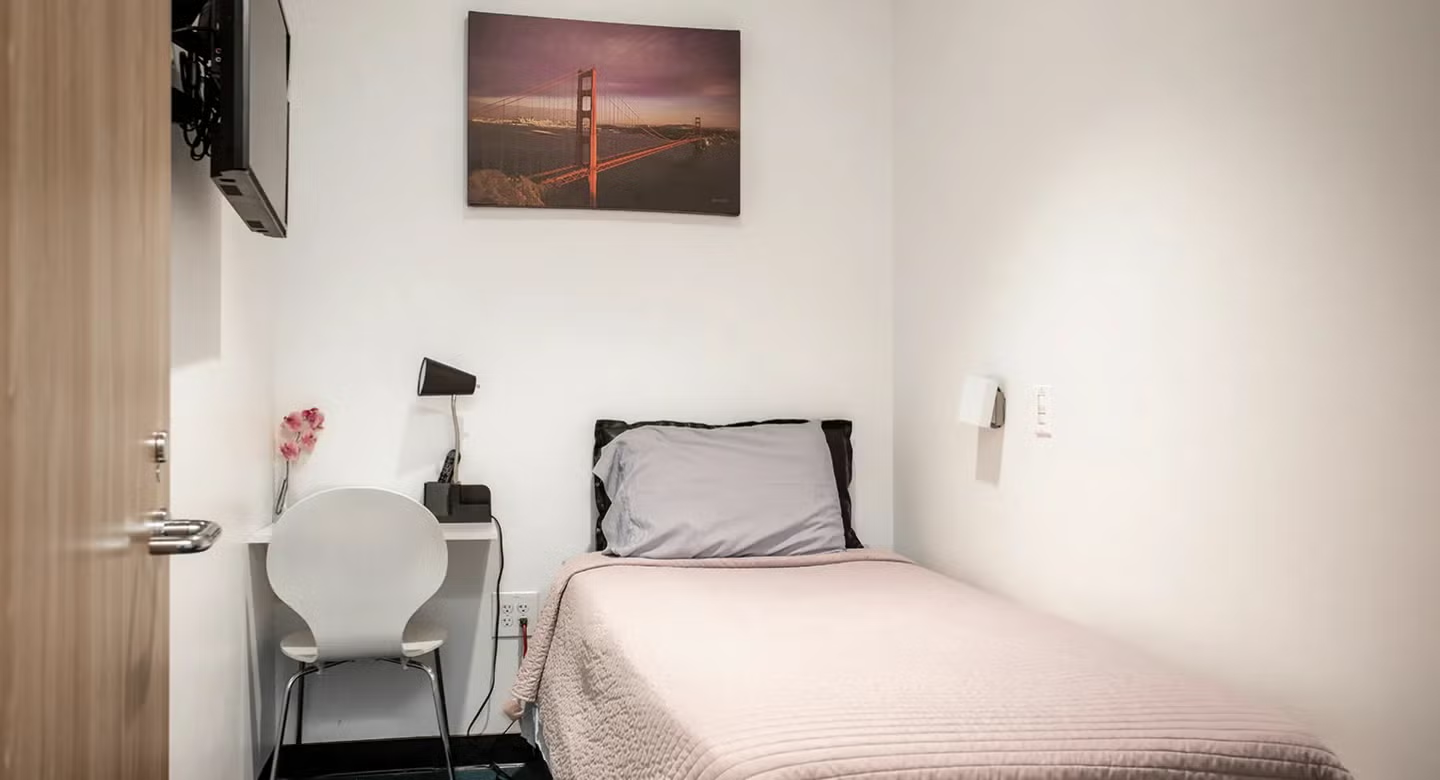
If you are visiting and broke, the hostels are genuinely good now. Green Tortoise and the HI houses run dorm beds from around thirty dollars, with privacy curtains, free breakfast, and a built-in supply of strangers to befriend. And for the truly unhinged, here is your trump card: SFO is open 24 hours, the staff are famously tolerant of sleepers, the AirTrain to BART is free, and there are rooms you can rent by the hour for an actual nap. Is sleeping at the airport when you live in the city a sign that something has gone wrong? Yes. Is it an option? Also yes.
There are days a car earns its keep: the IKEA run, the grocery haul that requires two arms and a sob, the weekend escape to wine country. For those, a Zipcar or a rideshare covers you without the year-round cost of ownership. I personally live in Forest Hill, and while the station is all but 5 minutes away by foot, it is a luxury I often take advantage of nowadays to drive my Subaru parked in my garage.
The car life in San Francisco is quite often more trouble than it is worth, though. You got it for the freedom, and now you spend Sunday mornings circling your own block like a shark, reading a street-cleaning sign you have already memorized. You pay rent on a parking space the size of a coffin. You have, at least once, stood in a tow yard south of Market doing the math on whether it would be cheaper to simply leave the car there and start a new life.
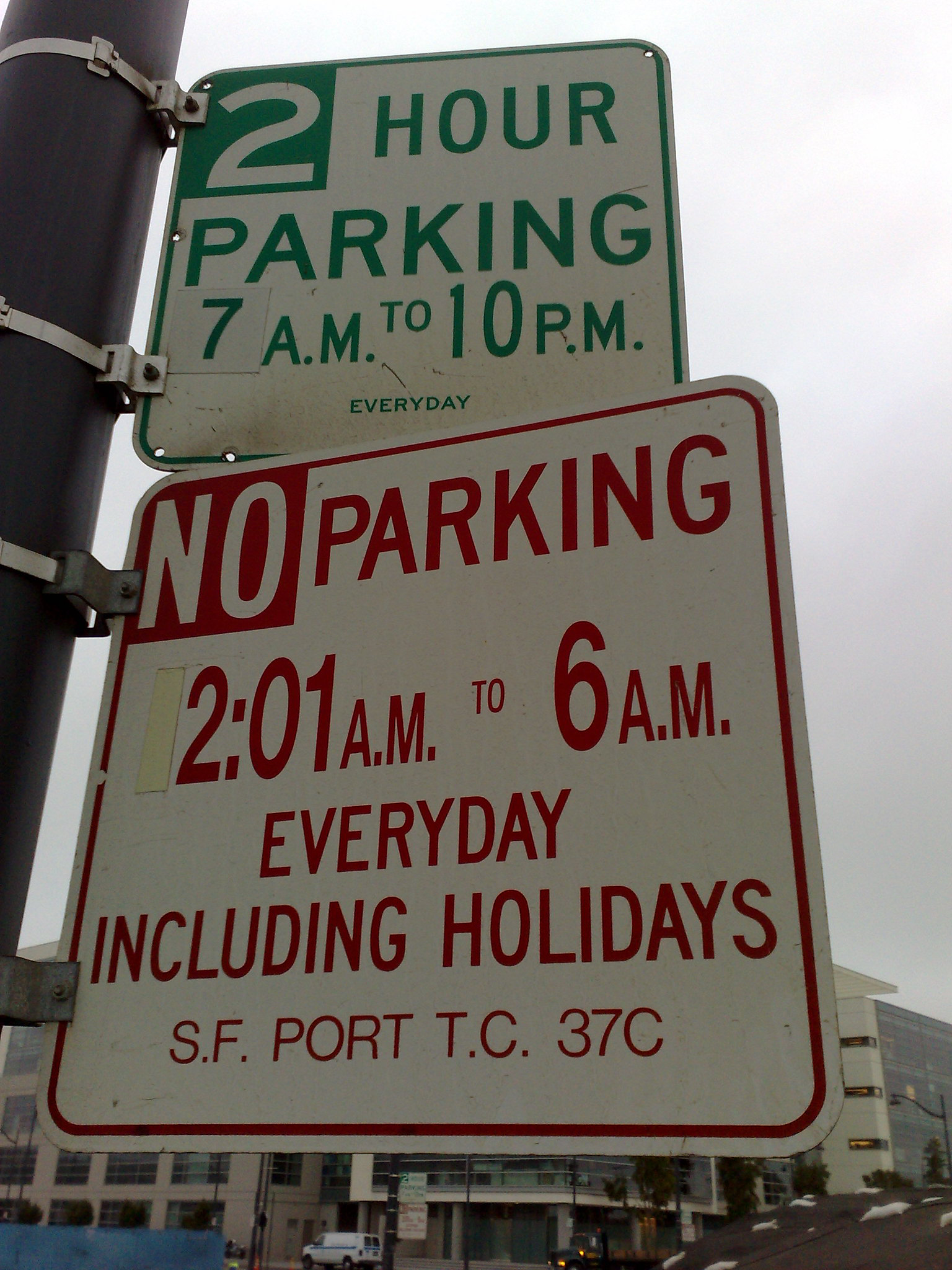
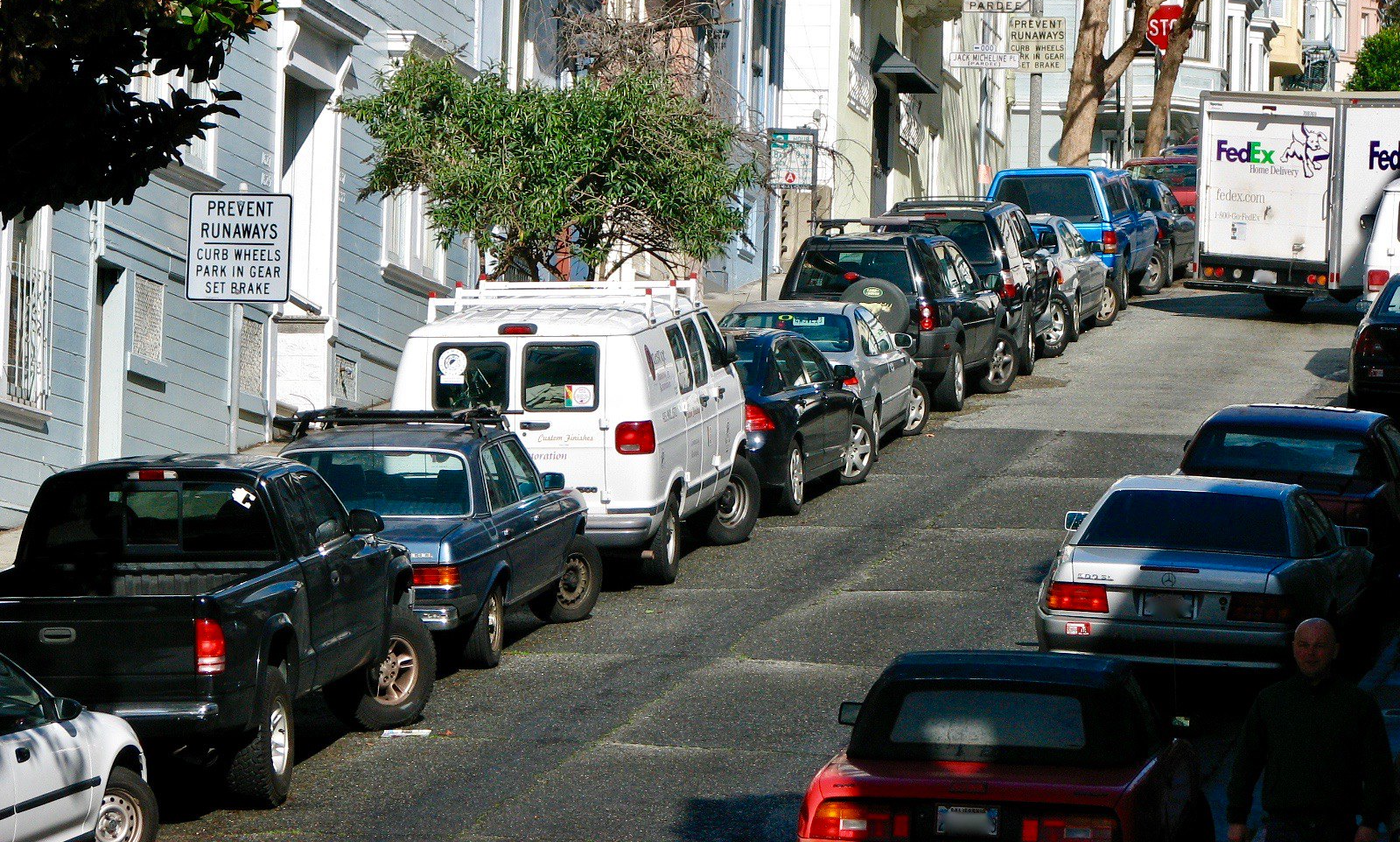
San Francisco is better on foot, by rail, and over water. You will see more. You will be late occasionally. You will get rained on. And you will never, not once, weep in a tow yard again.
Saul Sugarman is editor in chief and owner of The Bold Italic.
The Bold Italic is a not-for-profit media organization, and we publish first-person perspectives about San Francisco and the Bay Area. We operate under a fiscal sponsorship of a 501(c)(3).
You can become a paid subscriber. Or donate. Or learn more about us.